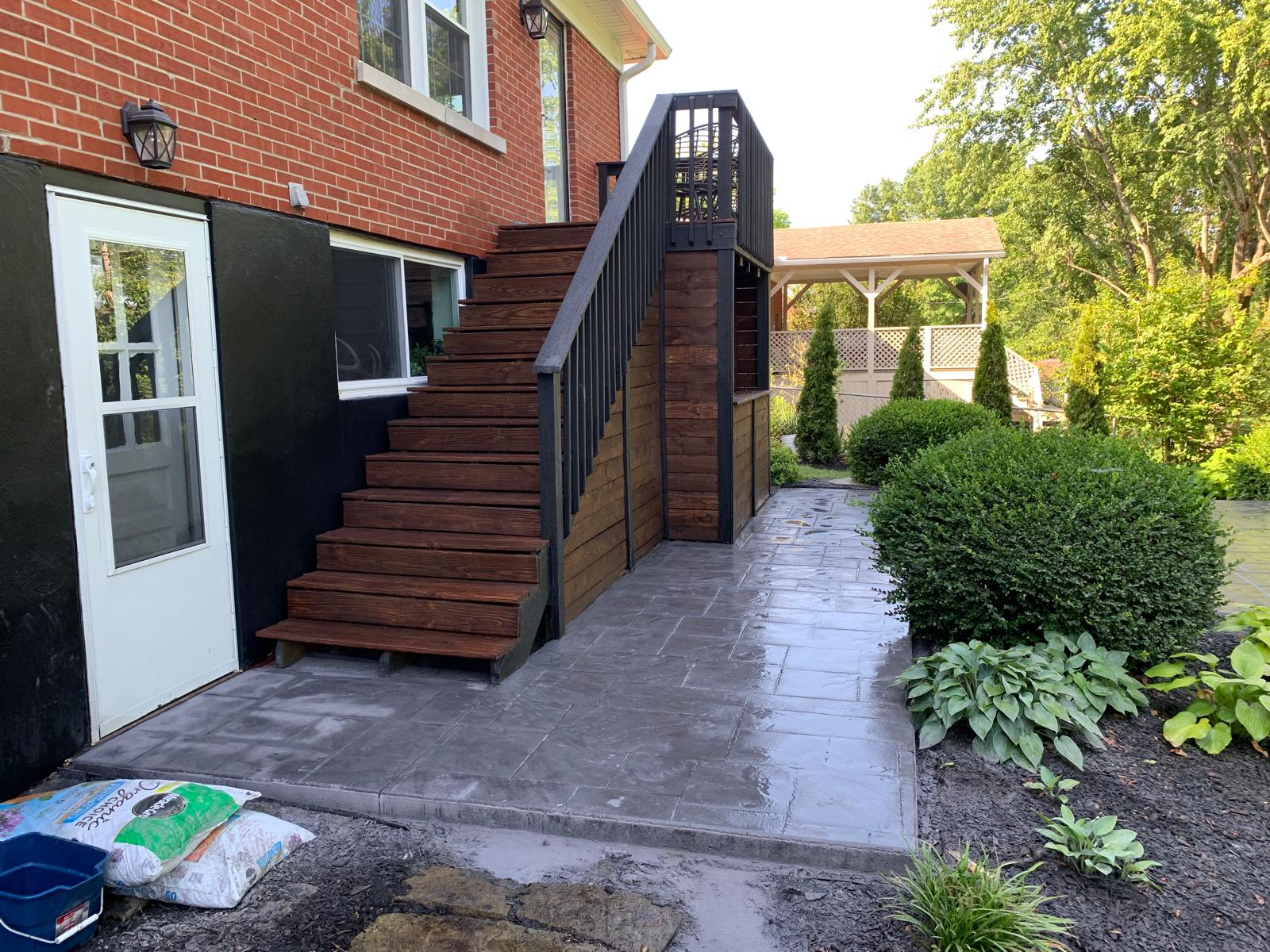
The Importance of Proper Concrete Curing
Concrete is one of the most widely used construction materials in the world. However, its performance and longevity heavily depend on a crucial process known as curing. Proper concrete curing is essential for achieving the desired durability and strength of concrete structures. In this blog, we will explore what concrete curing is, why it is important, and the best practices for effective curing.
What is Concrete Curing?
Concrete curing refers to the process of maintaining adequate moisture, temperature, and time to allow the concrete to achieve its desired strength and durability. This process typically begins immediately after the concrete has been poured and continues for a specified period, often several days.
The Science Behind Concrete Curing
The hydration process of concrete is essential for its strength development. When water is added to cement, a chemical reaction occurs, leading to the hardening of the mixture. Proper curing helps to ensure that this reaction continues effectively by providing the necessary moisture and temperature conditions.
Why is Proper Concrete Curing Important?
The importance of proper concrete curing cannot be overstated. Below are some key reasons why it is critical for construction quality:
- Enhances Strength: Proper curing allows the concrete to reach its maximum strength, which is crucial for structural integrity.
- Increases Durability: Cured concrete is more resistant to cracking, shrinkage, and other forms of damage over time.
- Improves Surface Quality: Adequate curing leads to a smoother, more even surface, which is essential for aesthetic purposes and further finishing.
- Reduces Maintenance Costs: Properly cured concrete structures require less repair and maintenance, saving money in the long run.
- Prevents Water Loss: Curing minimizes the evaporation of water from the concrete surface, which can lead to defects.
Best Practices for Concrete Curing
To achieve optimal results, consider the following best practices for concrete curing:
- Use Water: Regularly wet the surface of the concrete by spraying or using wet burlap to maintain moisture levels.
- Apply Curing Compounds: These compounds form a thin film on the surface, reducing water evaporation.
- Cover with Blankets: In colder climates, use insulating blankets to maintain warmth and moisture.
- Use Formwork: Keeping forms in place for longer periods can help retain moisture and warmth.
Timing is Key
The timing of curing is vital. Curing should ideally begin as soon as the concrete has set enough to handle without damage. Continuous curing should last at least 7 days for most types of concrete.
Common Mistakes to Avoid
To ensure effective concrete curing, avoid these common mistakes:
- Curing for too short a period: Insufficient curing time can lead to weak concrete.
- Neglecting environmental factors: Hot, dry, or windy conditions can increase evaporation rates and compromise curing.
- Using too much water: While moisture is crucial, over-saturating can lead to other issues, such as washout.
Conclusion
Proper concrete curing is a fundamental aspect of concrete construction that should not be overlooked. By understanding the importance of curing and following best practices, you can enhance the durability and strength of your concrete structures, ensuring they stand the test of time. Whether you are a contractor or a DIY enthusiast, taking the time to cure concrete correctly is an investment in quality and longevity. For professional assistance, consider reaching out to experts like L Contreras Concrete Construction LLC to ensure your projects are executed with the highest standards.